Meeting the need

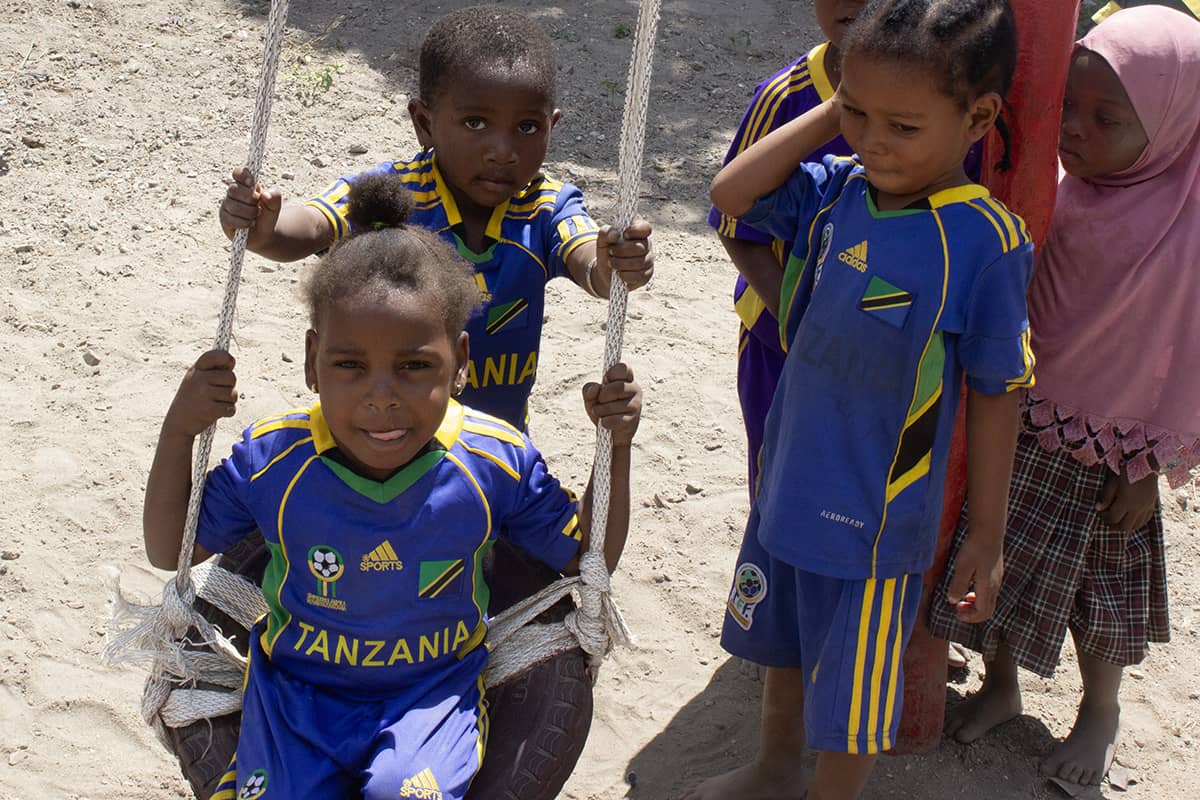
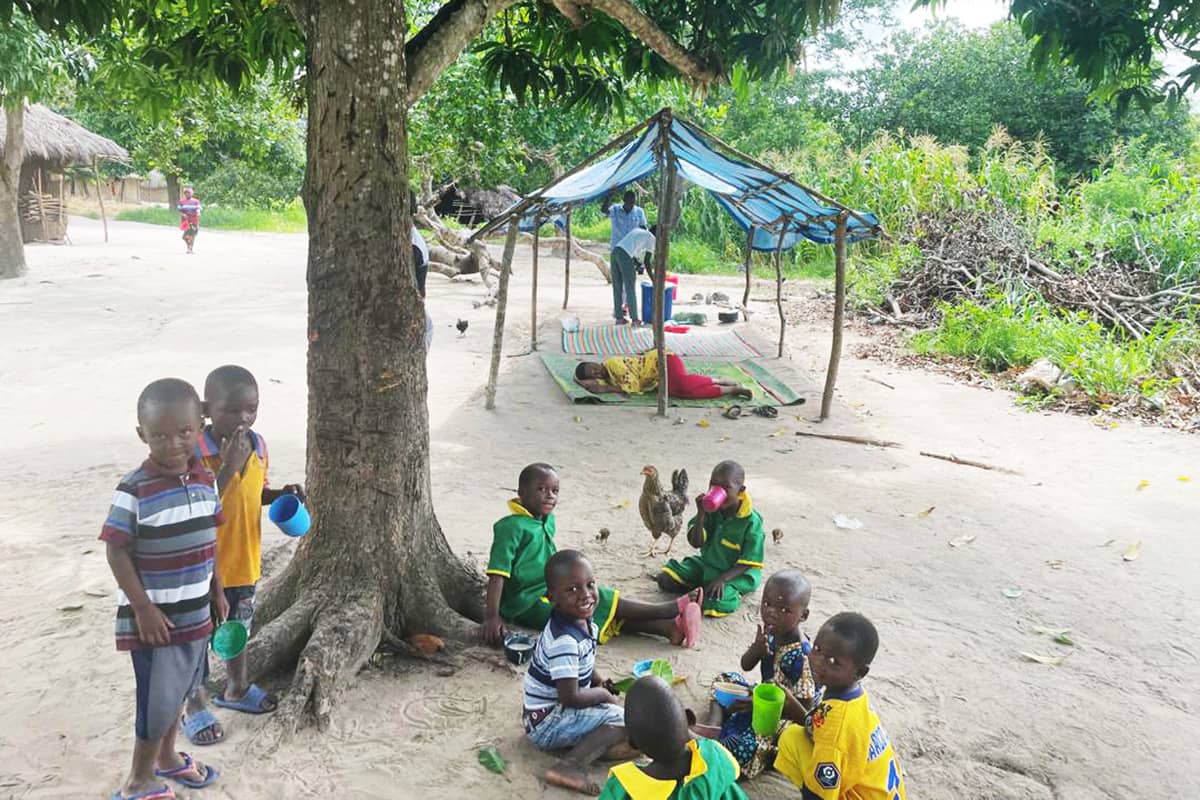
Mtwara is a predominantly rural region with many remote villages located far from formal schools. Young children often have to walk several kilometres, frequently without adult supervision, making access to education unsafe and difficult. As a result, less than 30% of children were accessing early childhood education, and between one-third and 38% of children were not enrolling in school until they were 7 or 8 years old, while some never enrolled at all.

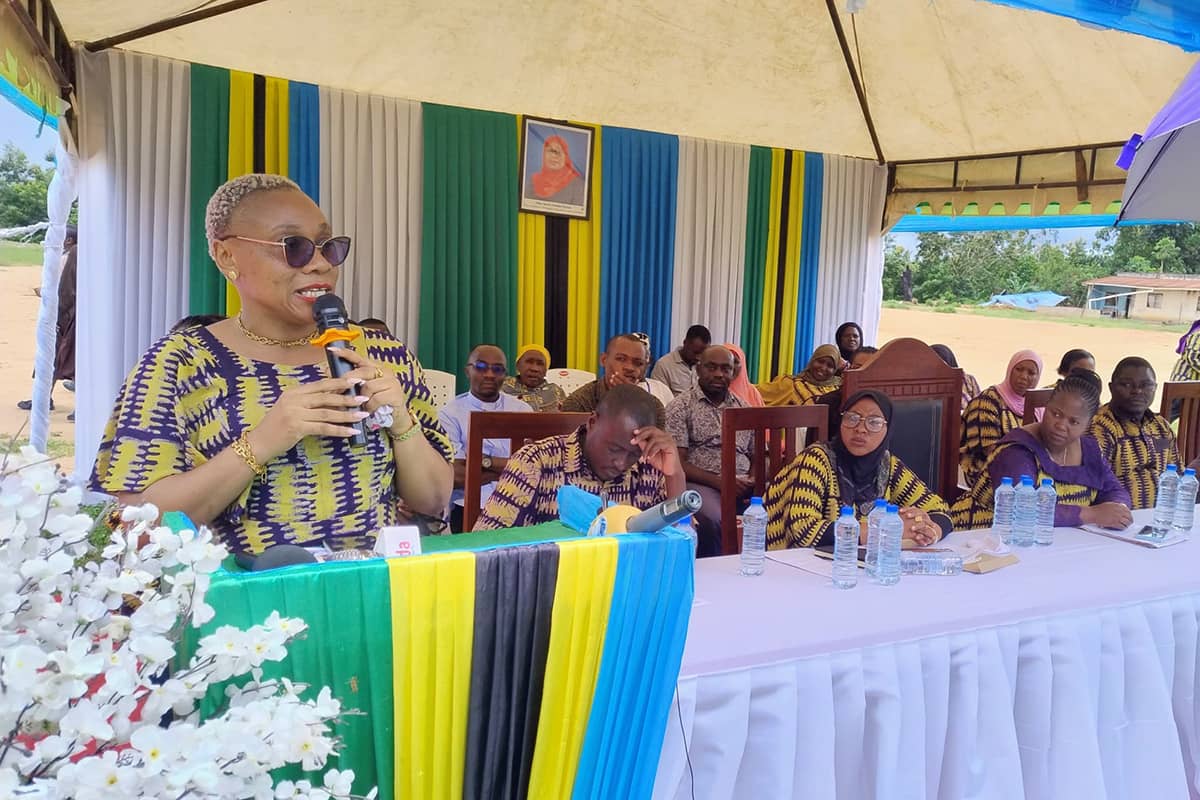
This lack of access to early learning opportunities meant that many children started primary school unprepared, with limited literacy, numeracy, and social skills. The challenge was particularly severe in Mtwara, where high levels of poverty further restricted families’ ability to support children’s access to education. Consultations with education officials, community leaders, and more than 60 head teachers confirmed the urgent need for a local solution to reach children in remote communities.


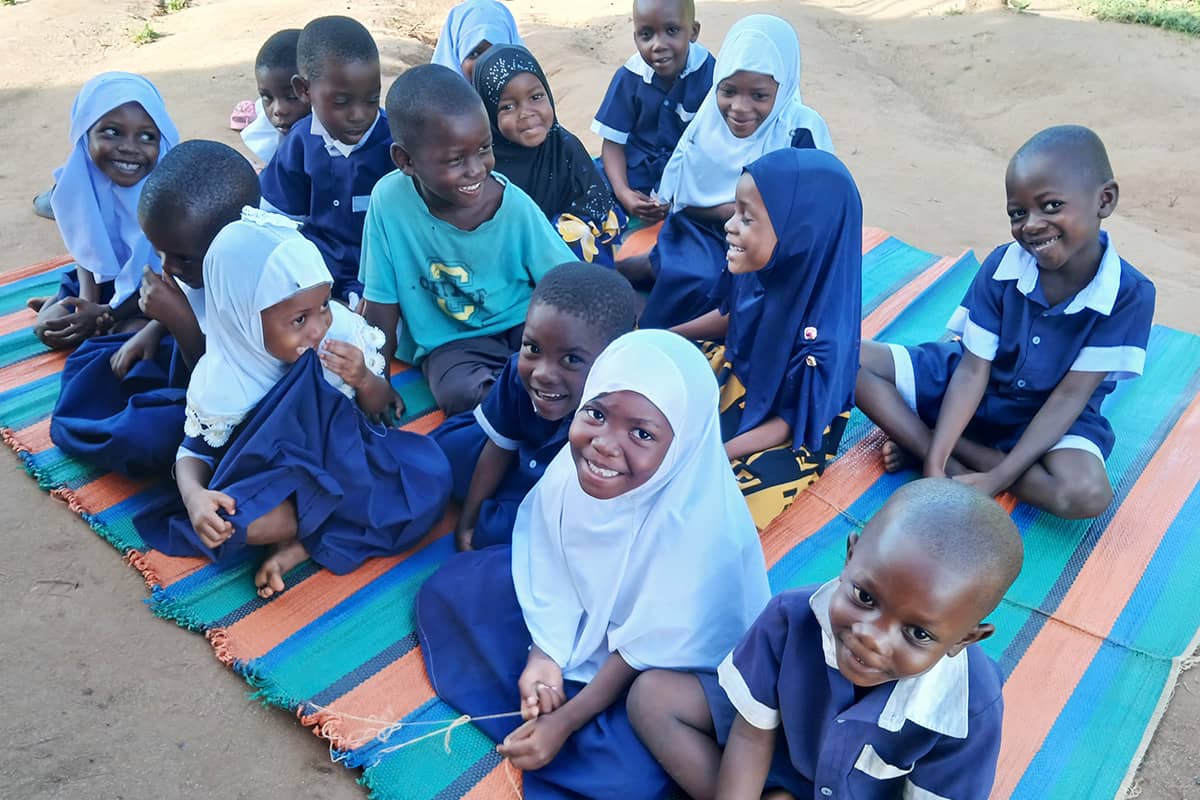
In response, EdUKaid established Satellite Pre-Primary Schools (PPS) from 2022 onwards to bring quality early childhood education closer to underserved communities. Building on the success of a 2023 pilot, which demonstrated improved learning outcomes and strong community ownership, the satellite classes were expanded to increase access, improve school readiness, and reduce late enrolment for more children in hard-to-reach areas of Mtwara.
Project Phases

2022/2024

Phase 1: Pre-primary Classes (10 Classes)

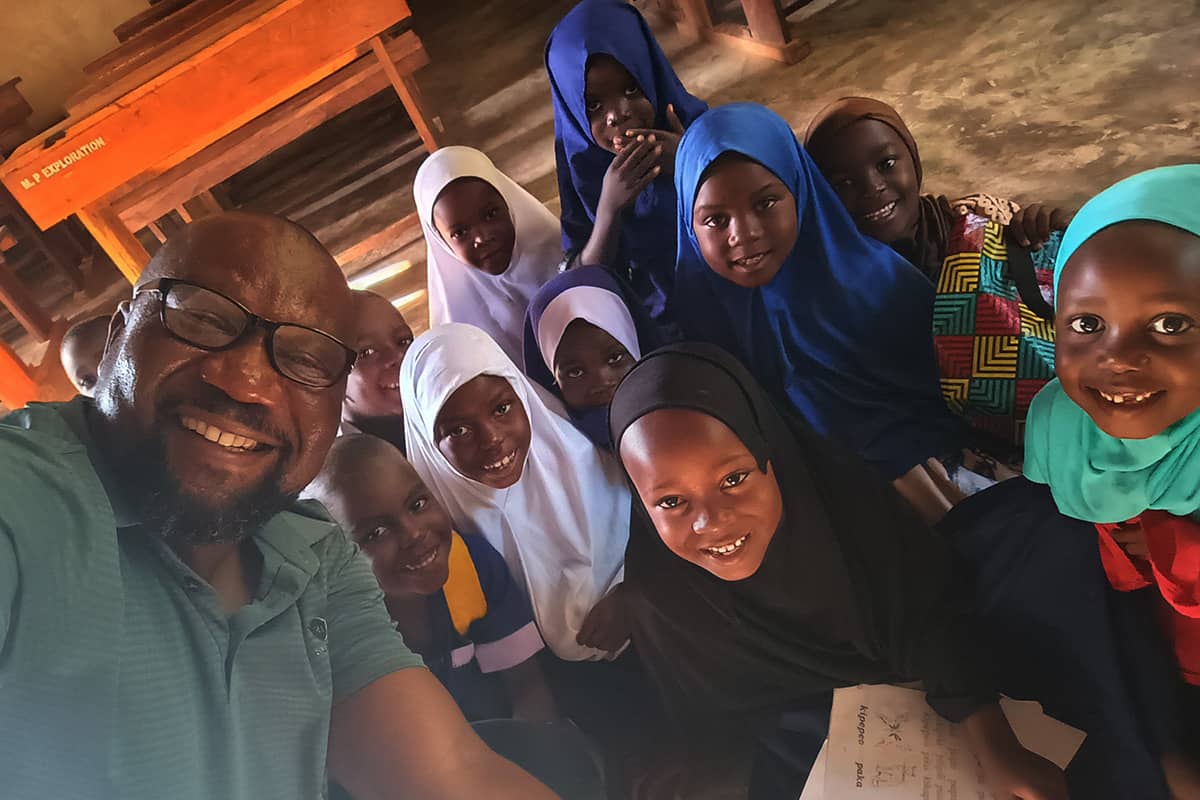
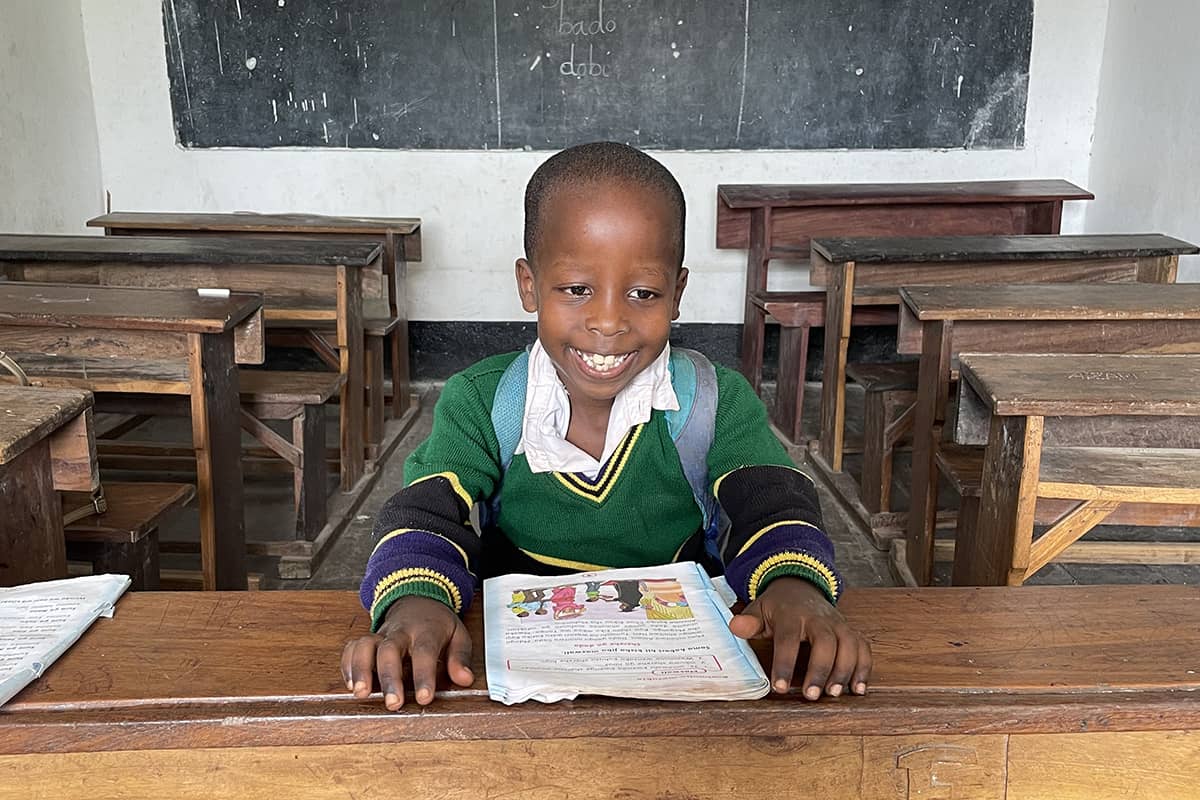
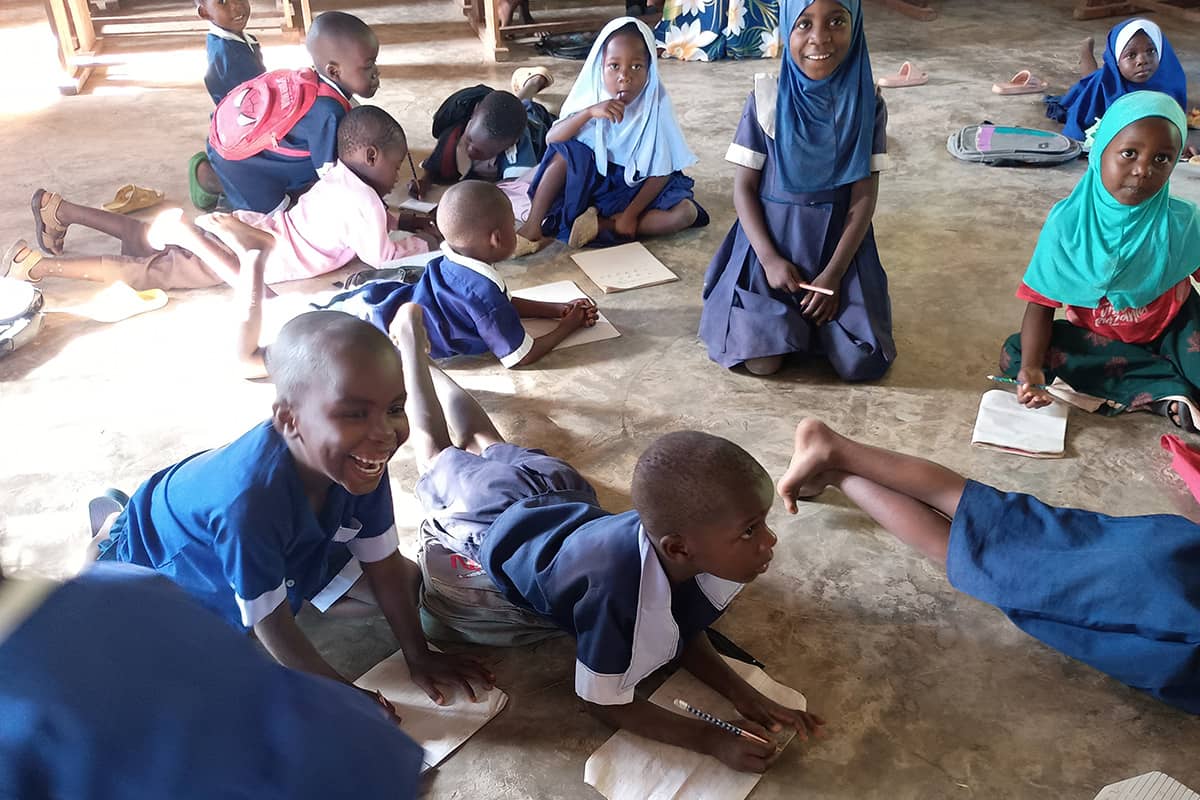
 The Pre-primary Satellite Project builds on EdUKaid’s successful Montessori model. It provides basic pre-primary education to children aged 4–6 years across 10 remote villages. 10 community volunteers were recruited and trained and 10 village committees were established to support sustainability.  60 community members were also trained to make learning materials using locally available resources.Additionally, 8 primary school head teachers were trained to provide ongoing support and future volunteer training.  

2024-2025

Phase 2: Pre-primary Classes (40 Classes)

This project was built on the success of the pilot and designed in partnership with education officials, community leaders and head teachers. 

EdUkaid trained another 40 volunteer teachers (to deliver & supervise a child-centred education based on our successful Montessori model to children aged 4-7) and 40 Community Committees to take responsibility for ongoing management – including organising financial contributions from the community. Ultimately the community took on financial responsibility fostering ownership and making the project sustainable.

2025–2026

Phase 3: Pre-primary Extension (20 Classes)

This project has allowed us to establish a further 20 satellite classes, training more volunteer teachers, head teachers and community members to deliver child centred learning in a safe village setting with community support. The establishment of village committees to oversee management of the classes ensures long term sustainability. The model has been highly successful, providing training and curriculum manuals and has earned  strong Government support.

Meeting the challenge of access and opportunity

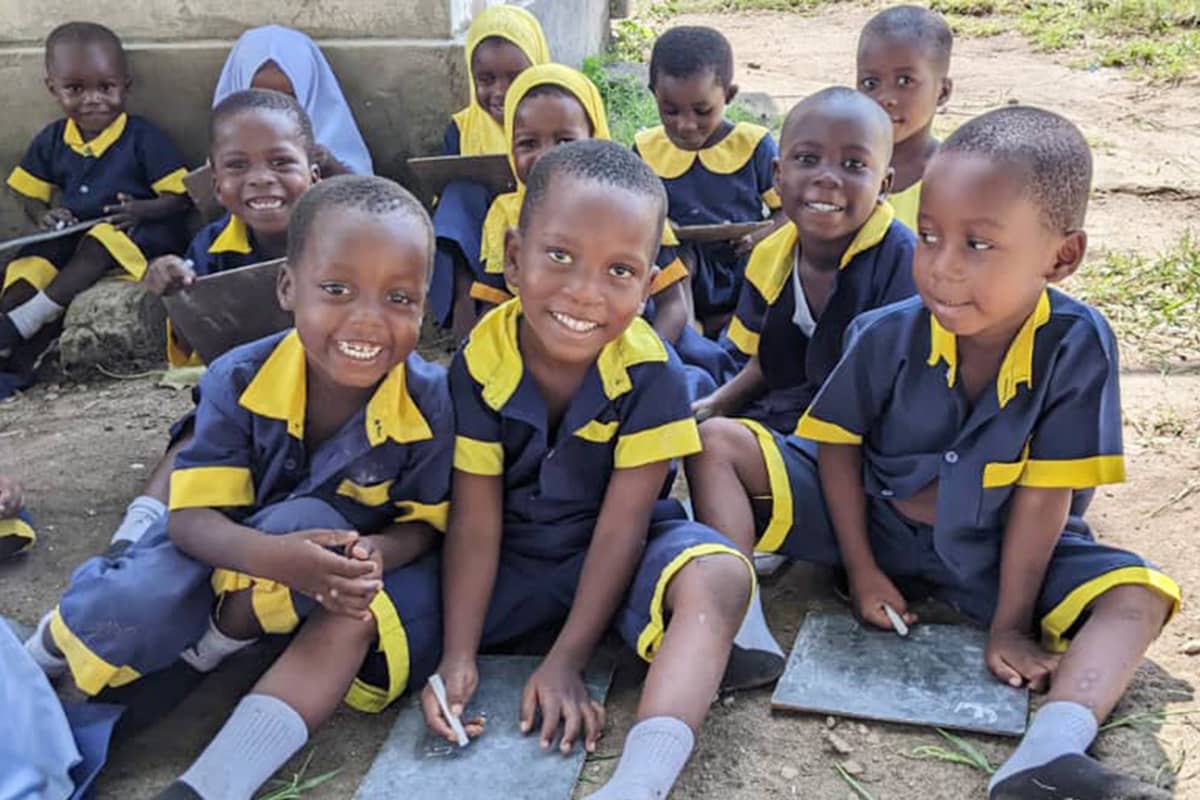
EdUKaid has addressed the challenge of young children missing out on early education due to living in remote areas by establishing community-based, pre-primary satellite classes in underserved villages across Mtwara. Through a phased approach, EdUKaid expanded from 10 pilot classes to 40 classes and later extended support to an additional 20 classes, providing accessible, child-centred Montessori education to children aged 4–7. 

The programme trained volunteer teachers, head teachers, village committees, and community members to deliver quality education and create learning materials using local resources. To ensure sustainability and community ownership, EdUKaid initially supported volunteer teacher allowances before gradually transitioning this responsibility to communities and parents, who now contribute towards teacher incentives, food, and learning resources.

This model has increased access to early childhood education for children in remote areas while strengthening local capacity to sustain the classes in the long term.
The Highlights

0
including girls, boys and children with disability, direct beneficiaries from all phases up to now
0
indirect beneficiaries (Parents, Teachers, Community leaders) from all phases up to now
0%
attendance average on 1 & 2 Phases rose to 94%

The goal and our Mission and Vision

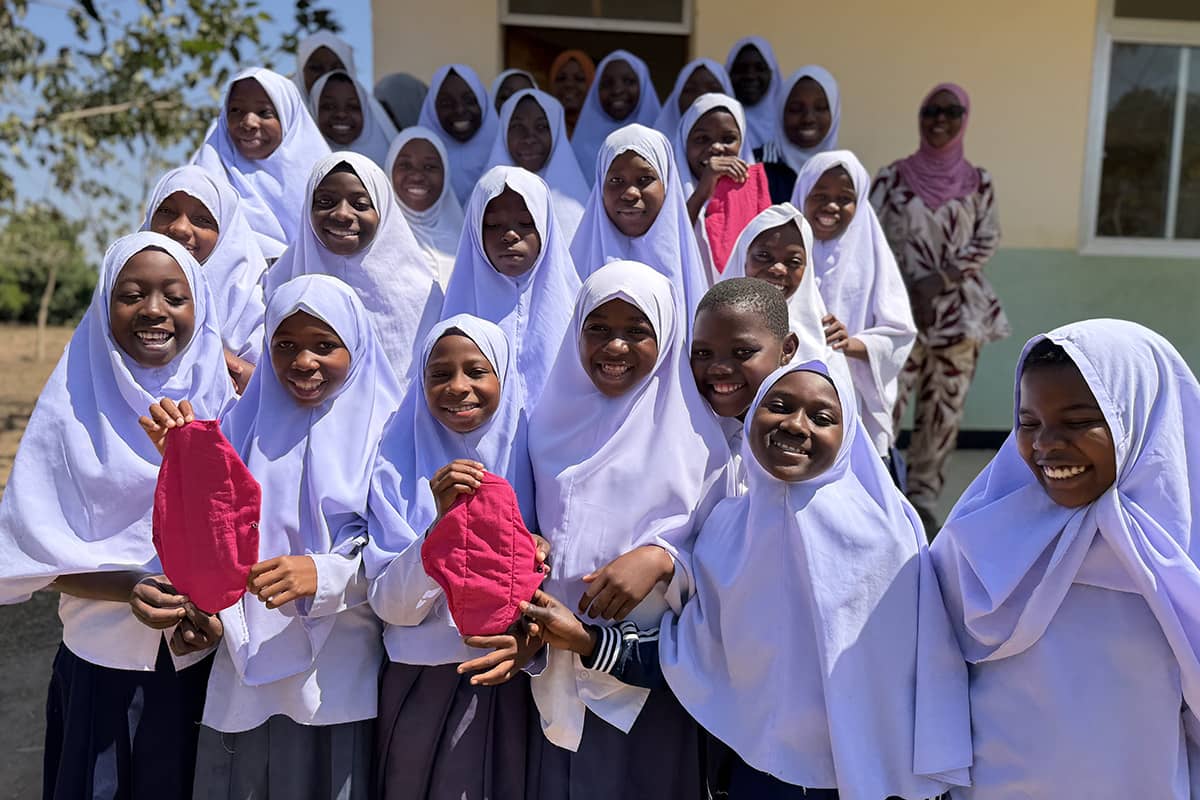
The aim is to increase access to quality, inclusive, and sustainable early childhood education for children living in remote and underserved communities, ensuring they are school-ready and have an equal opportunity to succeed in primary education and beyond. 
Access

Bringing pre-primary education closer to children in remote villages

Quality

Using a child-centred Montessori approach and training volunteer teachers

Inclusion

Reaching children who would otherwise miss out on early learning opportunities

Sustainability

Building community ownership through village committees, trained head teachers, and community contributions

School Readiness

Supporting children’s cognitive, social, emotional, and language development before entering primary school

The Pre-primary Satellite Project strongly aligns with EdUKaid’s vision of ensuring every child has the opportunity to reach their full potential and with our mission to improve access to quality education for disadvantaged and marginalized children. By bringing early childhood education closer to children living in remote communities, the project removes barriers to learning and promotes equal opportunities from an early age.

The project also contributes directly to the United Nations Sustainable Development Goals, particularly SDG 4: Quality Education by increasing access to inclusive and equitable early learning opportunities, SDG 10: Reduced Inequalities by supporting children who would otherwise be excluded from education due to their location, and SDG 17: Partnerships for the Goals through collaboration with communities, schools, local leaders, and education authorities to create sustainable, community-owned education solutions.

Share our Project

Our Projects