Providing opportunity
Across rural Mtwara, and particularly in Nanyamba District, adolescent girls face significant barriers to staying in school through puberty and beyond. Stigma around menstruation, a lack of private washroom facilities, and social norms that limit girls’ confidence and decision-making all combine to put girls at risk of falling behind, or dropping out at exactly the point they need school the most.
EdUKaid’s work on Heshima project started in 2020, when an initial needs assessment across 16 partner schools found rising drop-out linked to early relationships, early marriage and truancy, even as enrolment was growing. That early evidence became the foundation for what is now the Heshima Project: EdUKaid’s flagship programme for girls’ dignity, safety and inclusion in education.
A programme that has grown
Heshima has developed in clear phases, each building on evidence from the last:
2020-2021
2020-2022
2022–2023
Nov 2025 – Oct 2026
Sep 2026 – Aug 2027
Addressing the challenge
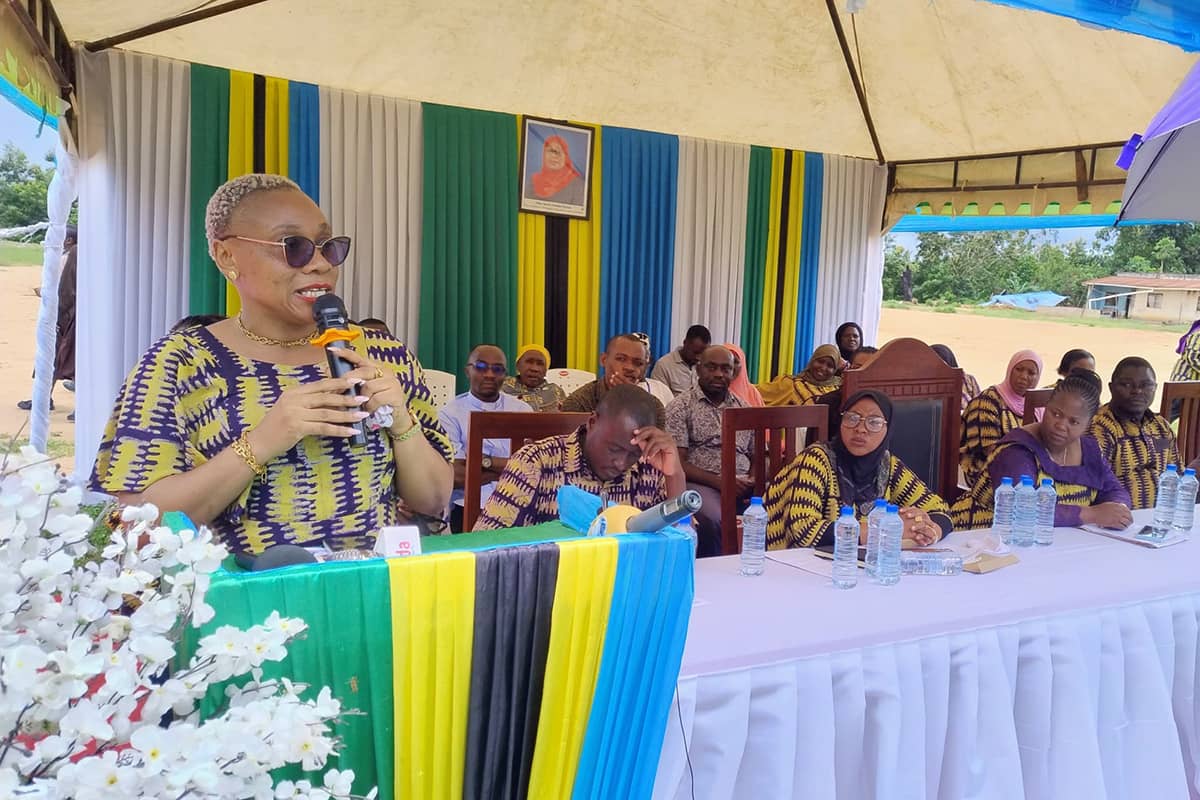
The current Heshima Project works across 17 wards of Nanyamba Town Council with education officials, community leaders, teachers, boys and girls together.
Officials and community actors are trained to manage and monitor inclusive education; teachers and school leaders build Dignity School Plans for their own school context.
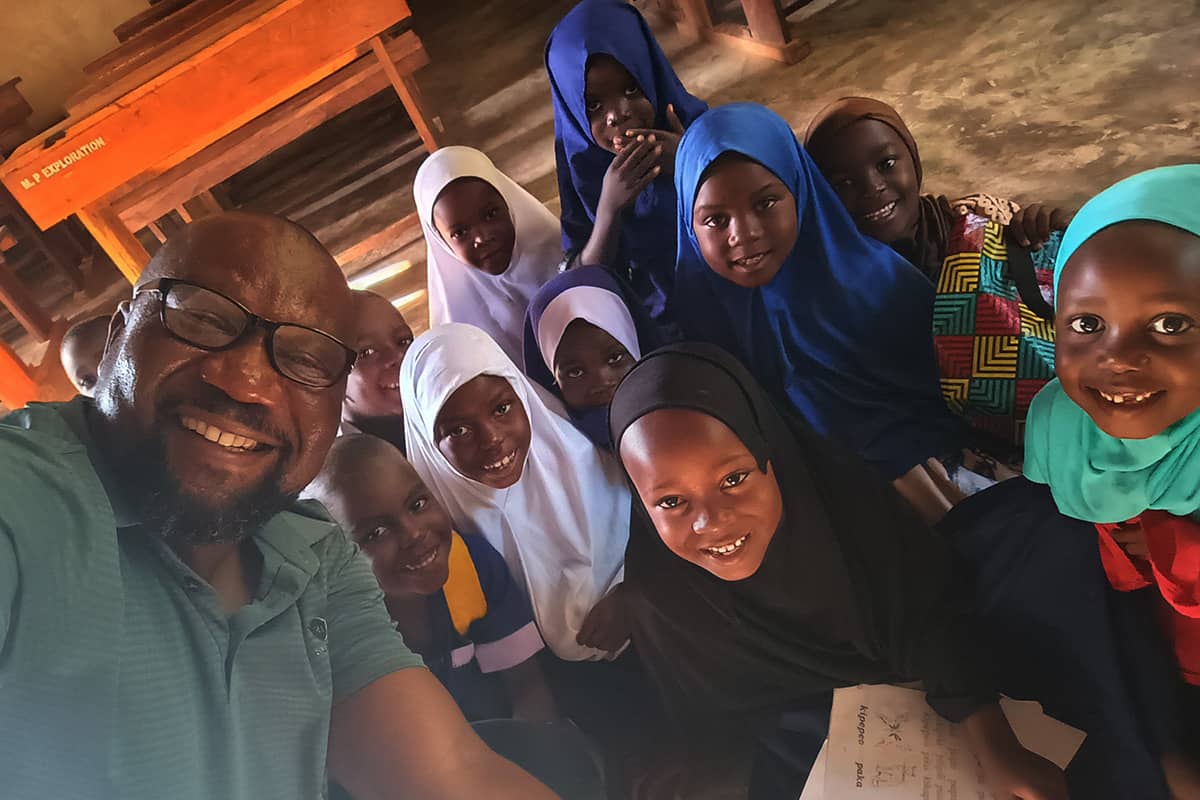
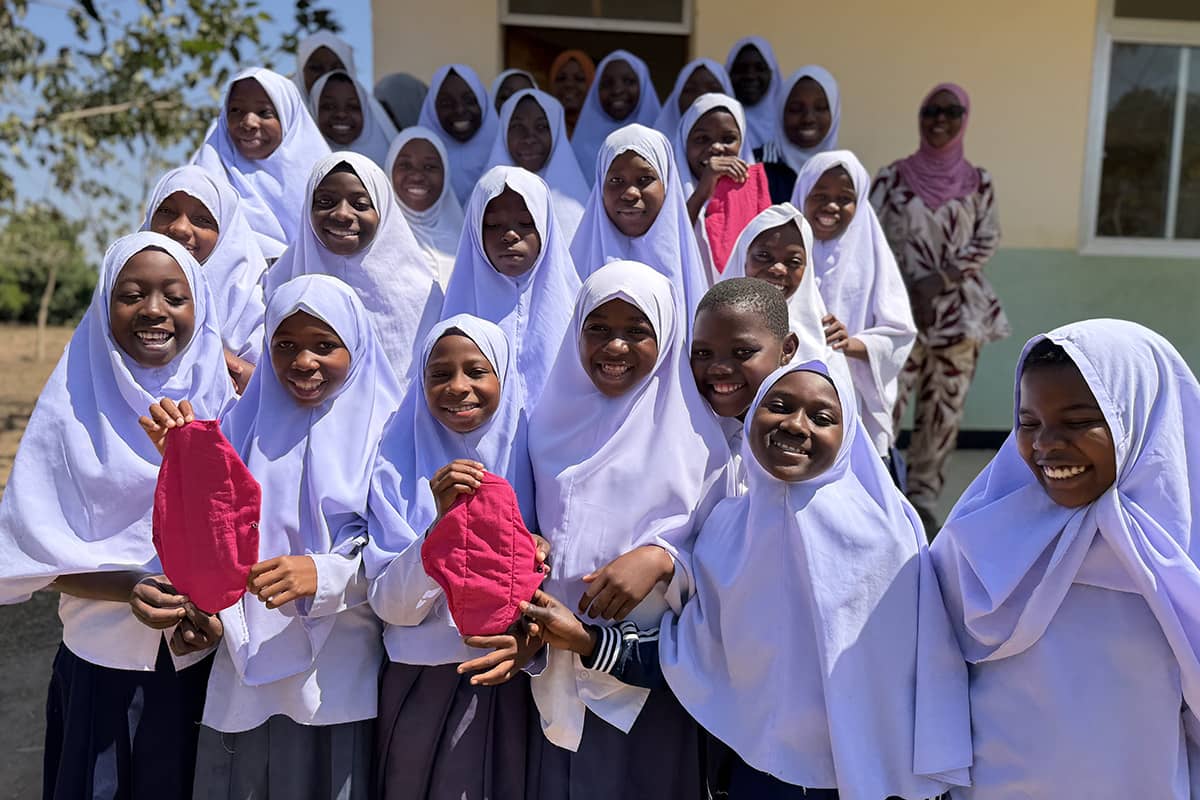
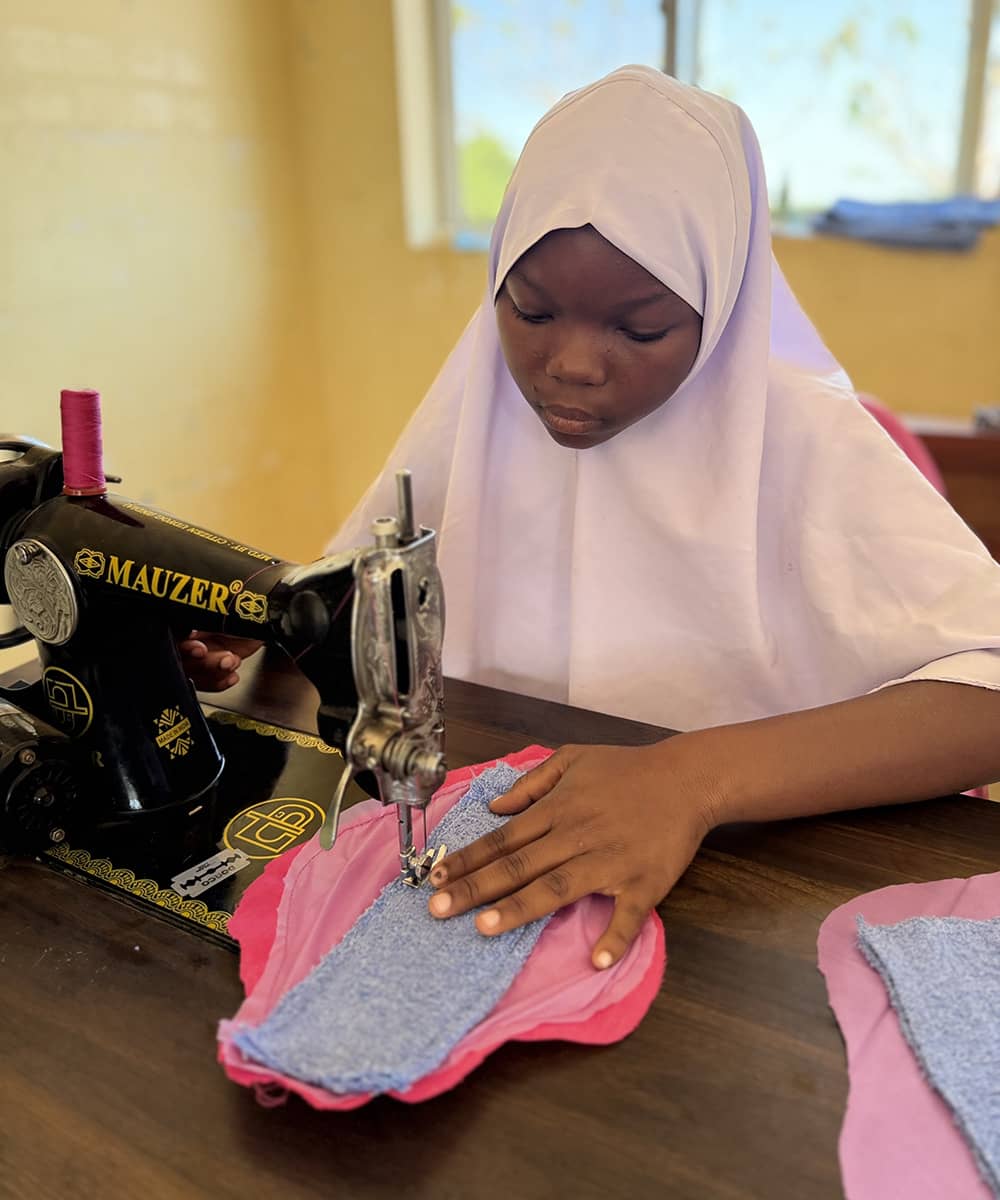
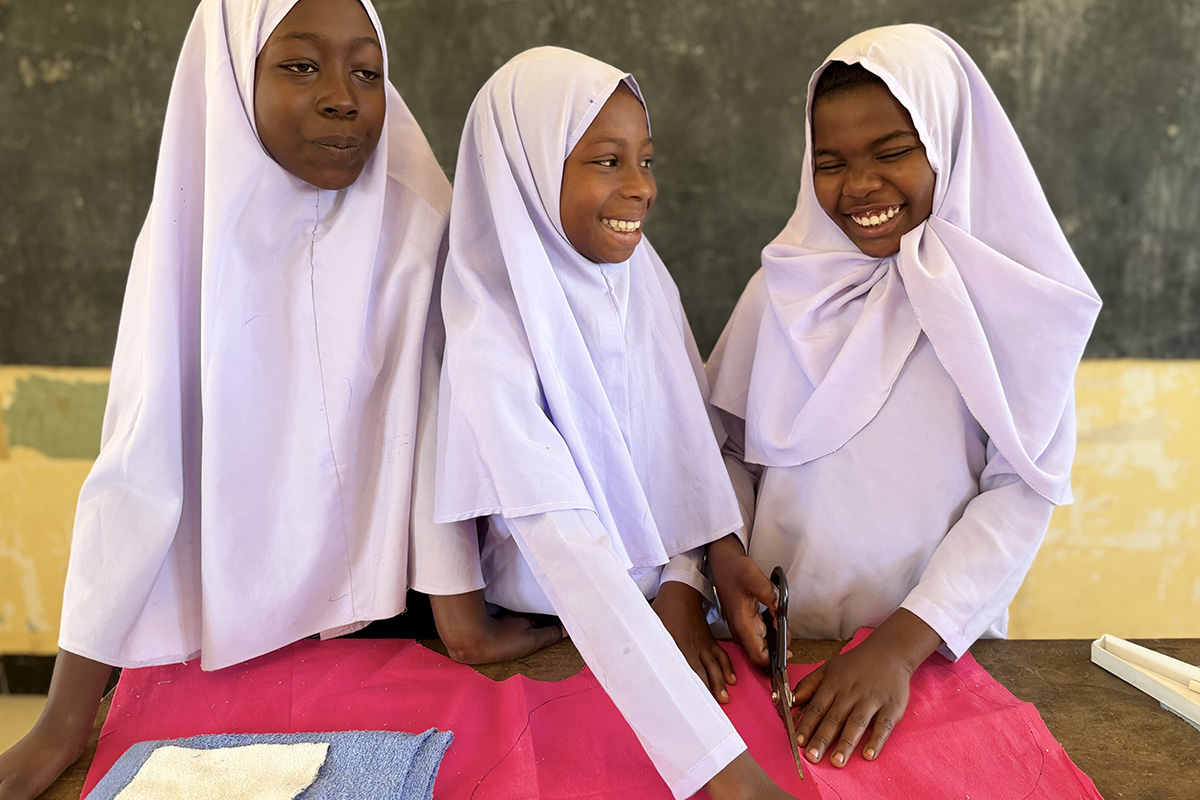
Dignity/Girls’ Clubs give girls a regular, safe space to build knowledge, confidence and practical skills, including making reusable sanitary pads from low-cost local materials.
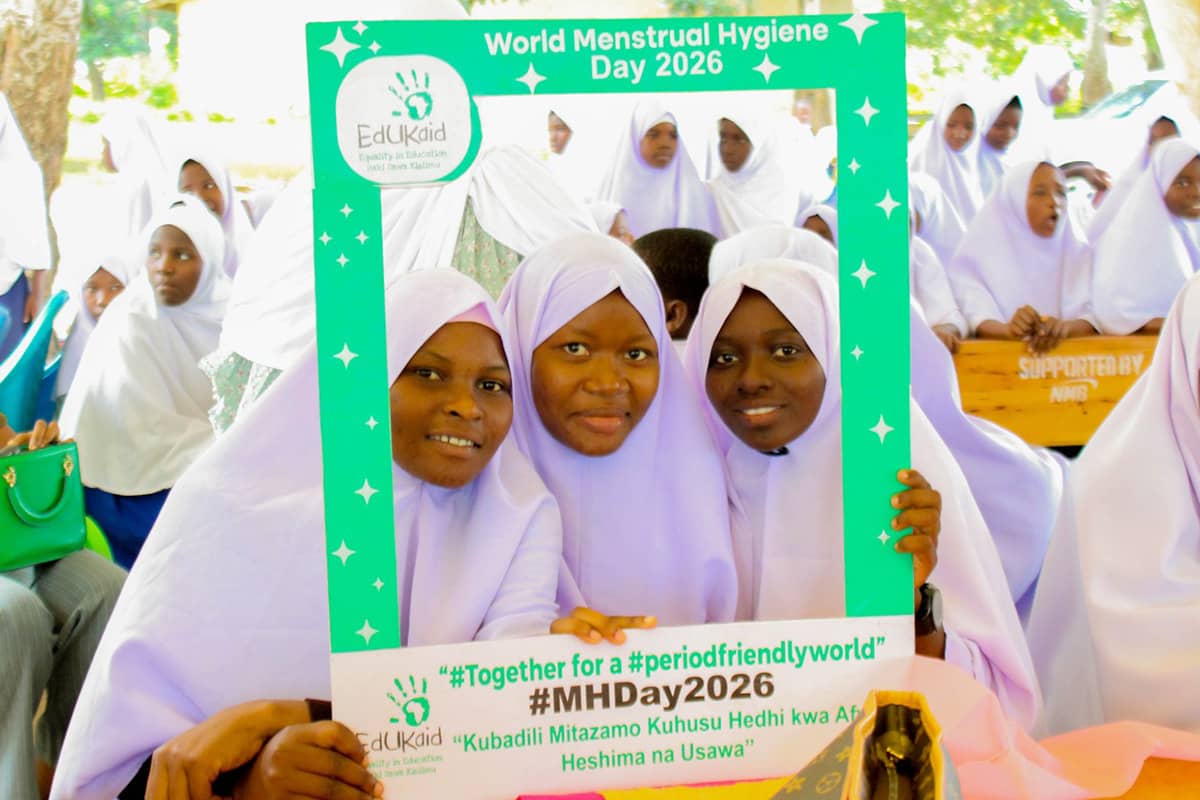
Deliberately, boys are part of the model too. Focus group discussions with 170 boys across the 17 schools found that more than half already understood menstruation and wanted to actively support girls, several proposing their own ideas, from reporting stigma to teachers to simply becoming better friends to girls during their period.
Aligned to our mission and vision
Heshima project aligns within EdUKaid’s mission and vision of Equality in Education, and its goal of improving educational and life opportunities for 7,840 adolescent girls through inclusive school environments and reduced gender disparities speaks directly to that mission.
What girls are telling us
Share our Project